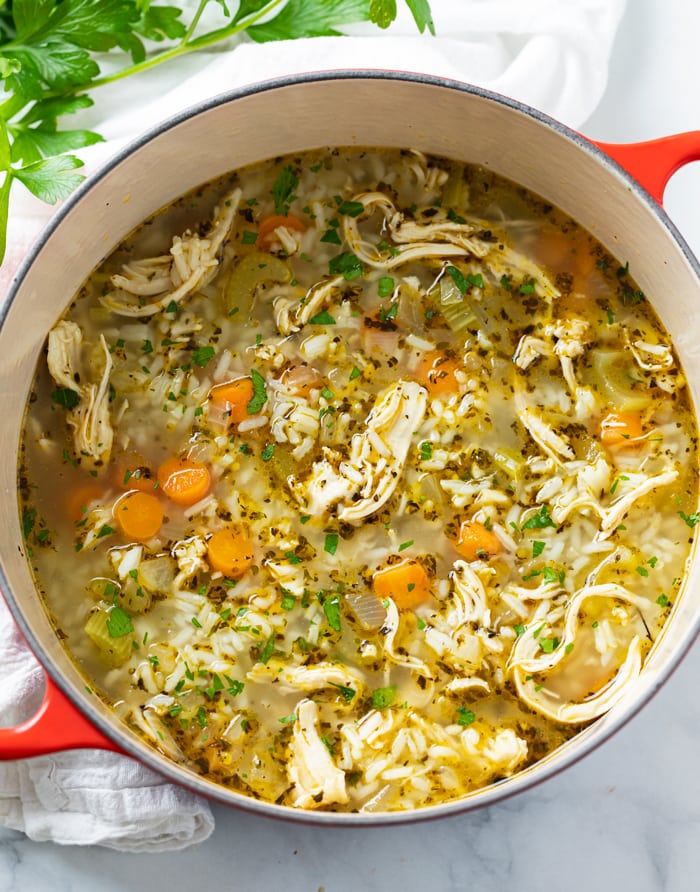
Homemade Chicken & Rice Soup: Unlock Richer Broth (Skip Shortcuts!)
Few dishes evoke the same sense of warmth, comfort, and nostalgic satisfaction as a bowl of homemade
chicken and rice soup. It’s the quintessential comfort food, capable of soothing a cold, brightening a dreary day, or simply bringing the family together around the table. While many quick recipes promise a speedy route to this beloved classic, we’re here to tell you that a little extra effort in key areas will transform your soup from merely good to truly extraordinary. This article will guide you through the secrets to achieving a deeply flavorful broth and perfectly textured rice, ensuring every spoonful is a delight and your leftovers are never a disappointment.
The Heart of the Matter: Unlocking Unrivaled Broth Flavor
The foundation of any great
chicken and rice soup isn't just broth; it's *incredible* broth. Many shortcuts involve using pre-cooked chicken, like rotisserie chicken, or simply poaching chicken breasts directly in the soup at the last minute. While these methods are fast, they miss a crucial opportunity to infuse your soup with unparalleled depth of flavor.
The secret to a truly richer, golden, and savory broth lies in simmering raw chicken pieces directly in the pot. By cooking bone-in, skin-on chicken (thighs are fantastic here, as they're forgiving and flavorful) in your stock, you extract far more than just cooked meat. You're drawing out collagen, bone marrow, and the natural fats that contribute to a luscious mouthfeel and a truly complex flavor profile that simply cannot be replicated by pre-cooked chicken. This process isn't just about cooking the chicken; it's about building the soul of your soup.
For a remarkably savory broth, choose bone-in chicken pieces such as thighs or drumsticks. You can also use a mixture of bone-in and boneless cuts. Combine them with your aromatic vegetables – think roughly chopped onions, carrots, and celery – and plenty of garlic, along with a bay leaf or two and a sprig of fresh thyme. Simmering these ingredients together for even just 30-45 minutes (after an initial sauté of the aromatics) will yield a broth so rich and flavorful, you'll wonder why you ever did it any other way. Once the chicken is cooked through, remove it, shred the meat, and discard the bones and skin. The resulting broth, strained or unstrained, will be a golden testament to your patience. This "hands-off" simmering time is a minimal investment for a huge return in flavor.
Mastering the Rice: The Key to Perfect Texture and Storage
Here's where many homemade
chicken and rice soup recipes go astray, especially when it comes to leftovers. A common shortcut is to cook the rice directly in the soup pot. While this might seem convenient for immediate consumption (and can even contribute to a thicker, almost porridge-like consistency if you prefer), it spells disaster for storage.
Rice, by its very nature, is a thirsty ingredient. It loves to absorb liquid, not just while cooking, but continuously during storage. If you leave cooked rice in your soup overnight in the refrigerator, you’ll likely wake up to a pot of thick, gelatinous sludge where a delicious, brothy soup once stood. The rice will have swollen, absorbed nearly all the liquid, and dramatically altered the texture and appeal of your dish. To avoid this common pitfall, and to ensure your soup remains delightfully brothy with perfectly separate grains of rice, there's one golden rule: **cook your rice separately**.
Cook your chosen rice (white, basmati, jasmine, or even brown rice – noting that brown and wild rice will require longer cooking times) in a separate pot using either water or, for an extra boost of flavor, some reserved chicken broth from your soup base. Cook it just until it's tender but still has a slight bite – al dente, not mushy. Once cooked, rinse it briefly under cold water if you want to prevent further stickiness, or simply set it aside.
When it's time to serve, simply add a scoop of the cooked rice to individual bowls and ladle the hot, rich chicken and vegetable broth over it. This method ensures that each serving has fresh, perfectly cooked rice without sacrificing the integrity of your beautiful broth. For storing leftovers, keep the rice and the soup in separate containers in the fridge or freezer. This simple step makes all the difference for meal prep and future enjoyment. Learn more about preserving your perfect texture by reading
Chicken and Rice Soup: The Secret to Avoiding Mushy Leftovers.
Beyond the Basics: Elevating Your Chicken and Rice Soup
While the chicken broth and proper rice management form the backbone of an exceptional
chicken and rice soup, it's the thoughtful additions and finishing touches that truly make it shine.
*
Aromatics & Vegetables: Don't skimp on the classic mirepoix (onions, carrots, celery). Sautéing them until softened and slightly caramelized before adding the chicken and broth builds a foundational layer of sweetness and depth. Consider adding leeks for a milder onion flavor, or even a diced potato for extra heartiness.
*
Seasoning Savvy: Beyond salt and pepper, a bay leaf, a pinch of dried thyme, and a dash of poultry seasoning can work wonders during the simmering stage. For a surprising boost, some cooks swear by a touch of grated fresh ginger or a splash of white wine (allowed to cook off) for added complexity. Always taste and adjust seasonings towards the end; broth can intensify as it reduces.
*
Bright Finishers: Freshness is key to balancing the richness. A squeeze of fresh lemon juice at the very end brightens the entire soup, cutting through the richness and adding a zesty zing. Fresh herbs, like finely chopped parsley, dill, or even a touch of cilantro, stirred in just before serving or sprinkled generously as a garnish, provide aromatic lift and beautiful color. Even celery leaves, often discarded, can be finely chopped and added for a subtle, fresh flavor.
*
Umami Boost: For an extra layer of savory depth, consider adding a parmesan rind to the broth as it simmers (remove before serving), or a dash of fish sauce (don't worry, it won't taste fishy, just richer!).
Versatility and Convenience: From Stovetop to Freezer
Another wonderful aspect of homemade
chicken and rice soup is its adaptability. Whether you prefer the steady simmer of a stovetop pot or the "set it and forget it" convenience of a slow cooker, this recipe delivers.
For stovetop preparation, the process is straightforward: sauté aromatics, add chicken pieces and broth, simmer until chicken is cooked and broth is flavorful, then shred chicken and combine with cooked vegetables.
If you opt for a slow cooker, you can achieve equally delicious results with minimal active time. Simply combine your chicken pieces, aromatics, and broth in the Crock Pot and let it work its magic for several hours on low. The longer, slower cook time can often lead to even more tender chicken and a deeper infusion of flavors. Once done, shred the chicken and return it to the soup. For detailed instructions and tips on both methods, be sure to check out
Cozy Chicken & Rice Soup: Stovetop, Crock Pot, & Freezer Ready.
The freezer-friendly nature of this soup, especially when adhering to the separate rice rule, makes it ideal for meal prep. Prepare a big batch, portion it into freezer-safe containers (soup separate from rice), and you'll have a healthy, comforting meal ready whenever you need it. It's perfect for busy weeknights, unexpected sick days, or when you just don't feel like cooking from scratch. Simply thaw, reheat the soup gently on the stove or in the microwave, and add freshly prepared or thawed cooked rice.
Conclusion
Making a truly exceptional homemade
chicken and rice soup isn't about complicated techniques or exotic ingredients. It's about respecting the core components: investing a little time in building a profoundly flavorful broth from scratch and understanding how to manage your rice for optimal texture and storage. By embracing these "shortcuts to flavor" rather than speed, you unlock a depth of taste and a comforting experience that simply can't be matched. So, skip the pre-cooked chicken in your next batch, cook that rice separately, and prepare to savor the best bowl of chicken and rice soup you've ever made. Your taste buds, and your future self, will thank you.